How to Keep Medications Out of Little Hands

October 13, 2024

A Pill No One Wants to Swallow

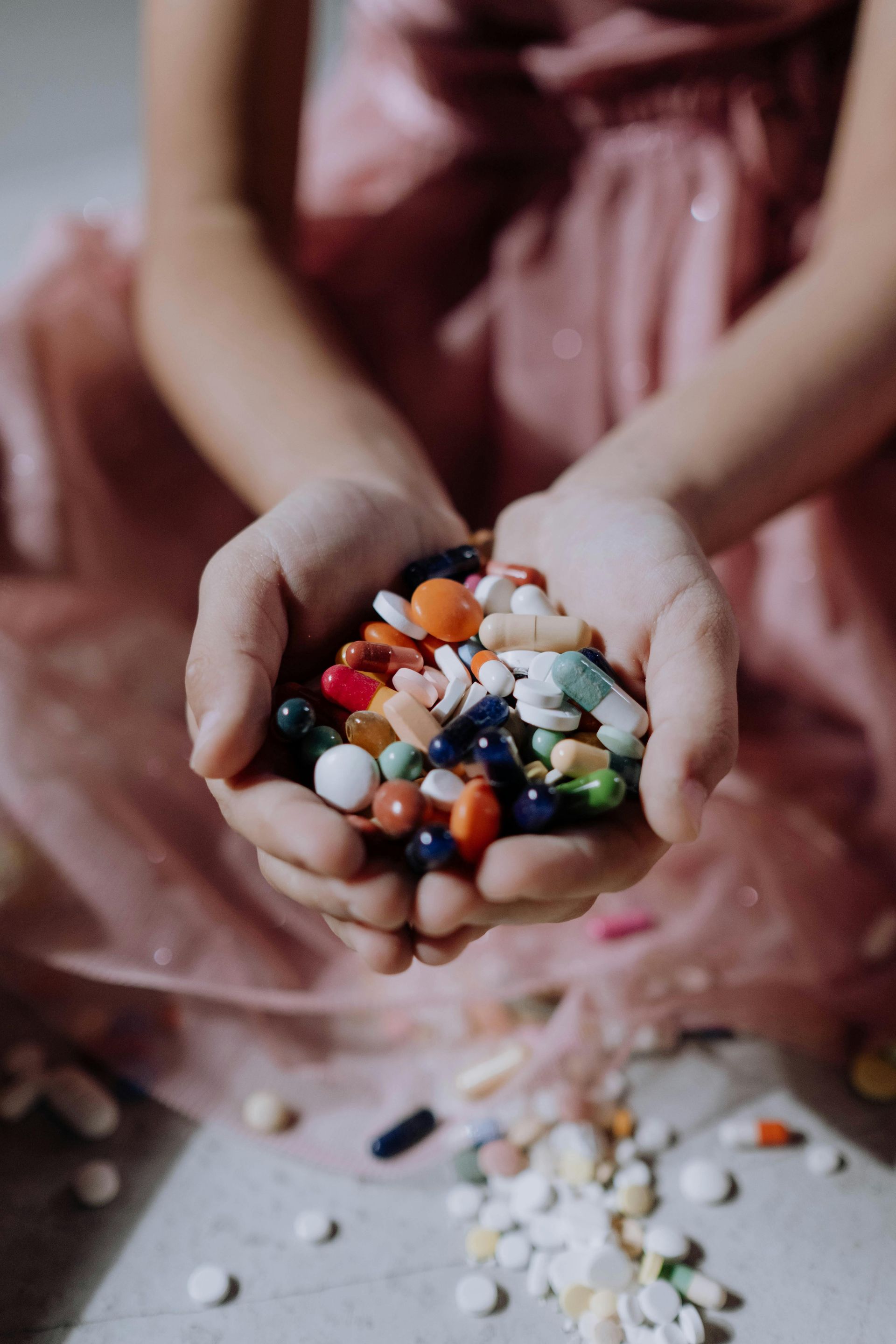
Kids are sneaky and like to get into things that they are not supposed to, so it is extremely important to take every measure to prevent children from accessing dangerous medications. We have some tips for safely securing all medications and avoiding an ER trip with your child.


Store all medications in a cupboard or on a high shelf out of your child’s vision and reach. If possible, keep all cabinets locked or child-proofed with latches for an extra layer of protection. If there are controlled substances in your home, consider using a locked box for extra safety. Make sure to keep medicine in its original container with child-safety caps. 


Keep track of ALL medications, especially those known to be addictive medicines like opioids, benzodiazepines, and stimulants. Know how many pills are in each bottle in case of an accident to know exactly how much the child took. Keeping a sticky note on the bottle or in the medicine cabinet with its updated inventory can be helpful in these situations.


When giving your child medicine, lean over a counter or table to avoid spills on the floor. If a medication spills, vacuum or sweep the entire area as an extra precaution so that no little hands put a stray pill or liquids in their mouths.


Any medication can be dangerous, even blood pressure or diabetes medications. Learn basic first aid and keep the Poison Center Number (1-800-222-1222) in your phone’s contacts and easily displayed on the fridge.

Teaching your children the difference between medicine and candy and why adults should only handle medicines is important. Contact us with any other questions or concerns!


--Blog post written by Maggie Rietze, Centennial Pediatrics of Spokane Summer Intern Extraordinaire

By Jennifer Kalisvaart January 15, 2026
The discussion about vaccines has become forefront in our society. It extends from parents on the playground to governmental officials, and so we know many of you have questions as you navigate this issue. As professionals who care for children, our job is to look into the research and educate families as to the science behind childhood vaccinations. The American Academy of Pediatrics (AAP) has always stood behind a schedule that reinforced the need to protect children against life-threatening/life-altering diseases. Vaccine science has become so fine-tuned that children these days receive less of the antigen (illness-causing portion of the vaccines) than their parents or grandparents did as children while protecting against many more diseases. The diseases that these vaccines protect still exist. Cases of measles continue to crop up in large amounts. Whooping cough (pertussis) is common in our community. RSV lands tons of young infants in the hospital annually requiring supplemental oxygen and can result in death. And not uncommonly, there are outbreaks of hepatitis A that circulate in Spokane. We would love for all of these illnesses to be eradicated, but the truth is that they still exist and still pose a threat to our children and adults. We have the benefit in the US of having many educated researchers and clinicians who have tackled the vaccine question for decades. They know what circulates in the US, what poses the highest risk for our children and what we need to do to prevent mortality and morbidity. These are the people who we turn to in order to get guidance about vaccines schedules. We know that the news has brought into question vaccines and the schedule that has been validated for years. We know you have questions. We invite you to ask us those questions, and we will give you honest answers. Vaccines are not something we recommend to get "kick backs" or do so blindly knowing that kids are having adverse effects. Vaccines are the forefront of pediatrics and one of the biggest medical marvels ever. We are fortunate to be able to offer vaccines to patients and will continue to do so as per the AAP recommendations. Many parents ask if we are concerned about access to the recommended vaccines with the CDC changes, and at this time, the Washington Department of Health (as part of the West Coast Health Alliance) continues to advocate for the vaccines as per the AAP. We are always happy to discuss if any vaccines can be given on an earlier schedule if there are concerns about access. Here are some links for more information: https://doh.wa.gov/newsroom/west-coast-health-alliance-continues-recommend-vaccination-alignment-american-academy-pediatrics-aap https://downloads.aap.org/AAP/PDF/AAP-Immunization-Schedule.pdf?_gl=1*il3ebr*_ga*NDM3MjgyNDYwLjE3NjUyNDg0NDI.*_ga_FD9D3XZVQQ*czE3NjgyODE0NzEkbzckZzAkdDE3NjgyODE0NzEkajYwJGwwJGgw
September 2, 2025
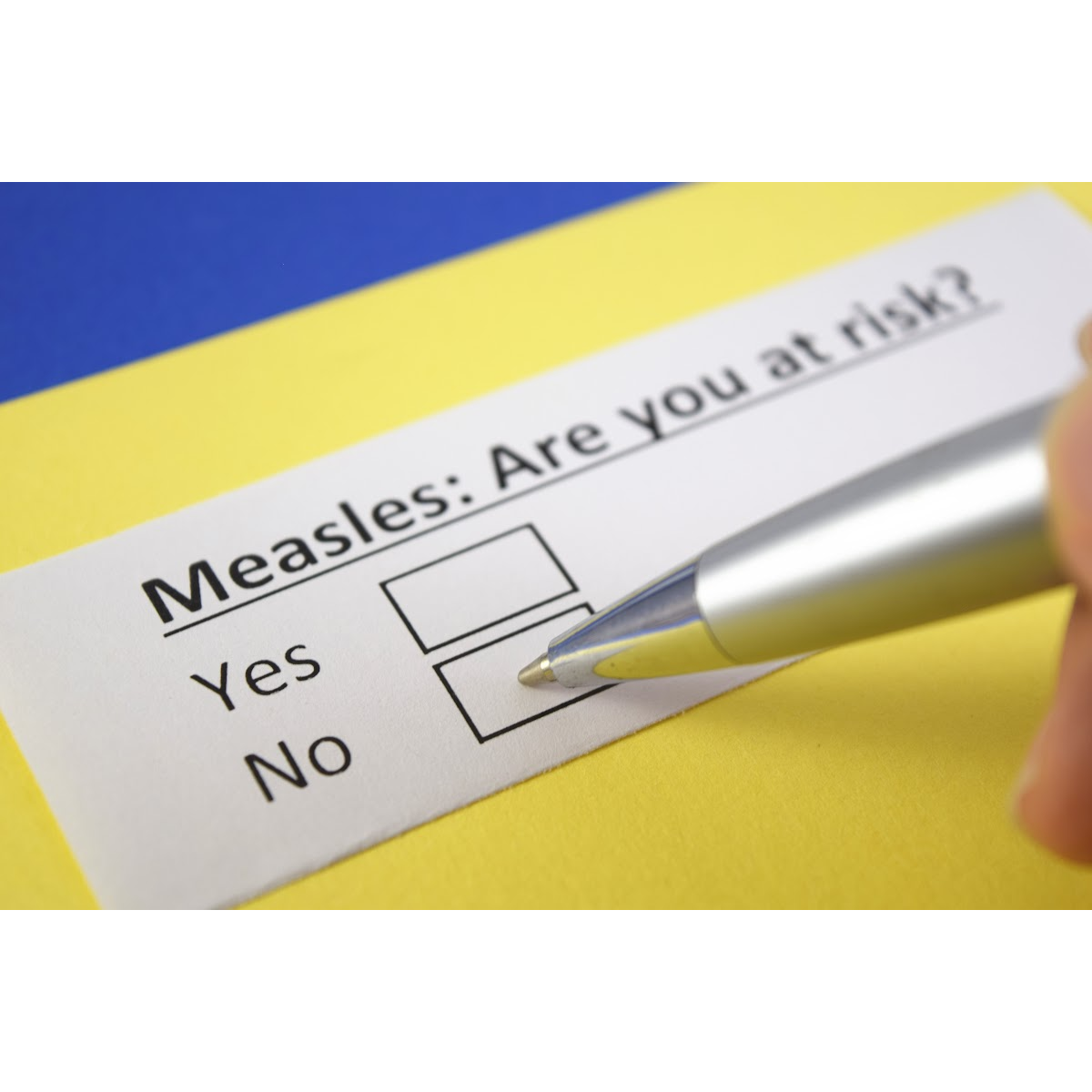
As everyone has probably heard at this point, there are confirmed cases of measles in and around Spokane and all over the country. Our job as your family's pediatric provider is to provide accurate, scientific information about illnesses such as measles and ways in which you can keep your family and others protected. Measles is HIGHLY contagious . It will linger in a space for 2 hours after the infected person leaves. Often, we tell patients that you can do your best to avoid a sick-appearing person (maybe someone with a rash), but if you happen to step into a space in which a person with measles was within 2 hours of that person leaving, you are at-risk of contracting the virus. The MMR vaccines is highly effective. After the 1st dose, a person is 93% protected and with 2 doses on-board, the protection is 97%. We typically give the MMR at 1 year old and 4 years old; however, doses can be done as early as 6 months old* (especially if there is upcoming travel or concern for exposure during an outbreak). We can also give them closer together than 1 year and 4 years. We know there can be questions surrounding vaccines, especially the MMR. We are always happy to answer these questions, but in brief, there has been NO link between the MMR vaccine (or any vaccine for that matter) and autism. Someone who is immunocompromised is at great risk of serious complications of the measles virus, and since the MMR vaccine is a live-virus vaccine someone who has a suppressed immune system cannot get the vaccine themselves. 92-94% of the population needs to be immune to measles (by vaccination or history of infection) in order to limit/prevent spread of the illness. Some retro things are fun and cool... like My Little Pony, Lincoln Logs and Strawberry Shortcake, but one thing is for sure, and that is that measles is absolutely not. As a pediatric practice, we know how a successful vaccine can save the lives of so many, and we will continue to do our part to protect children. *A dose given at less than 1 year old does not qualify for the 2-dose series needed for school entry and confirmed immunity; however, it counts that you may protect your child against measles.
By Jennifer Kalisvaart June 12, 2025
Some Tips to Make It As Smooth As Possible
By Jennifer Kalisvaart June 11, 2025
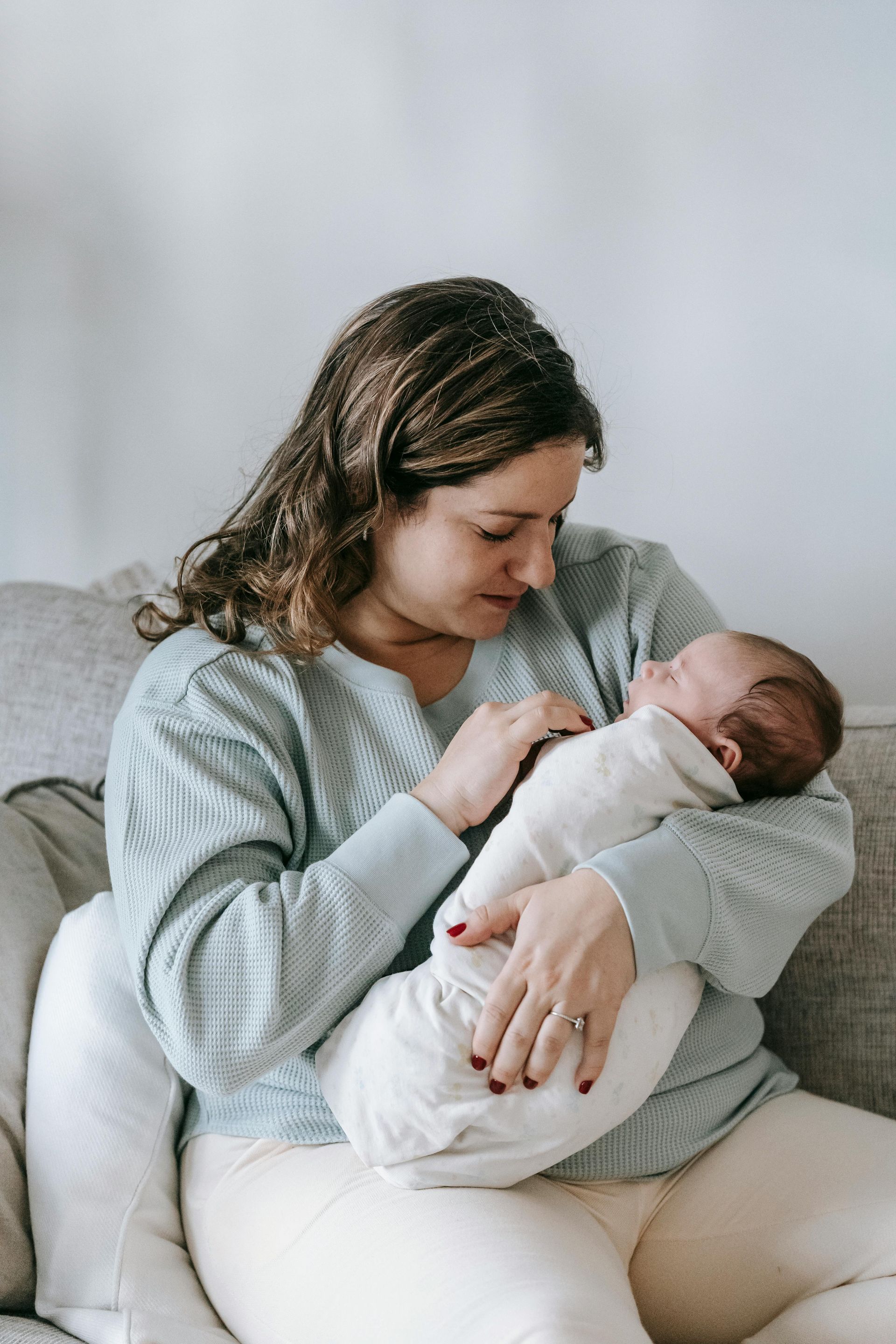
Safe Sleep Rules
By Jennifer Kalisvaart March 4, 2025
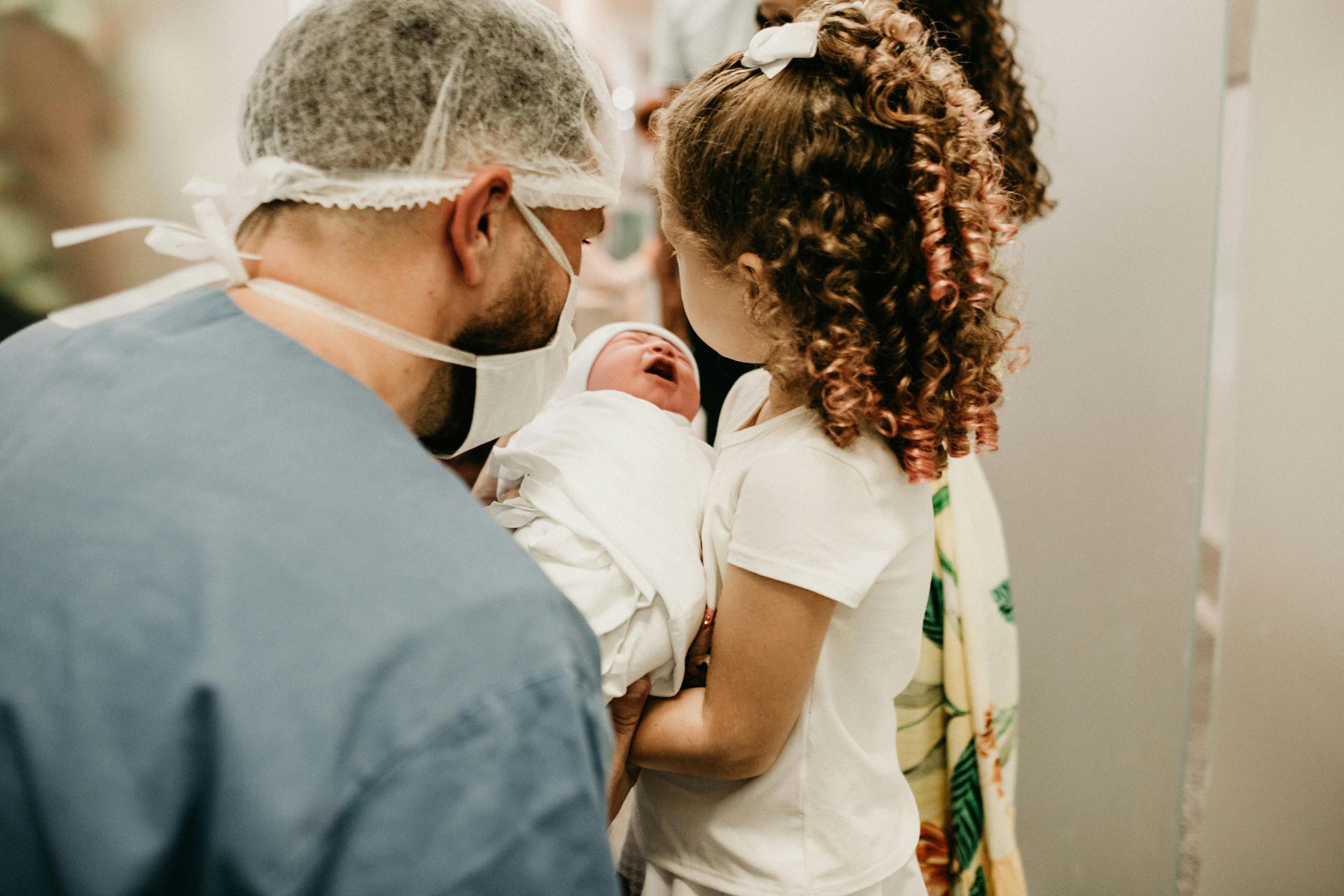
Much like you get excited to announce your new baby's arrival, we have been keeping a little secret that we can't wait to share! We will soon be offering lactation services at our clinic with a certified IBCLC and RN -- Chelsea Wilhelm! She brings with her years of knowledge as a lactation specialist and postpartum nurse and an excitement for educating new families that is contagious. More details to come soon, but we couldn't hold the news in any longer!
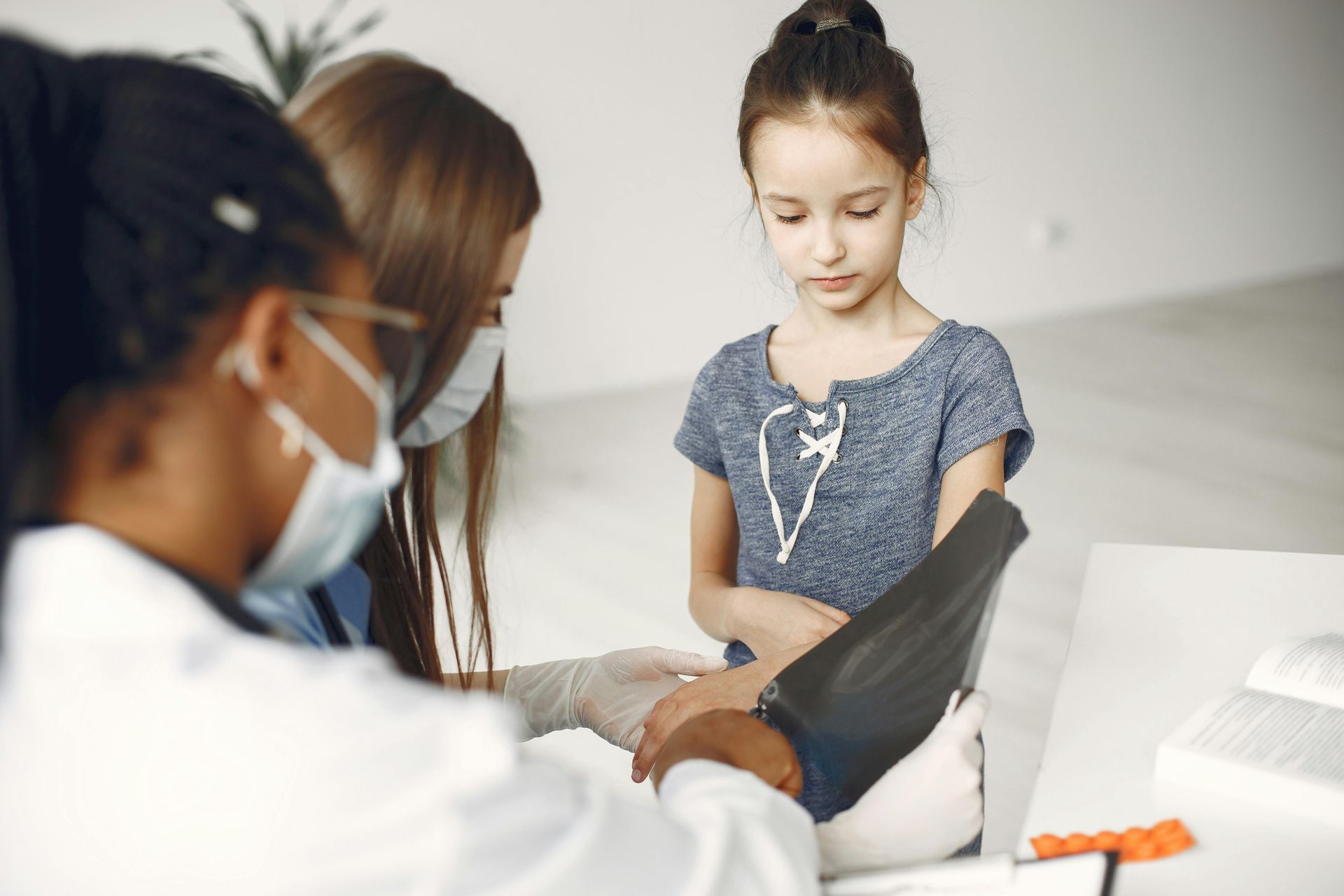
A pediatrician and parent are examining a girl's arm
December 2, 2024
The Right Place for the Right Issue
October 14, 2024
Stay Safe and Have Fun
A woman is standing next to a little boy in a blue jacket.
October 14, 2024
Bundling Blunders Uncovered
October 13, 2024
Spruce Up Their Lunch with Some Helpful Tips
August 14, 2024
Bright Sunshine, Safe Kids: Suncreen & Sun Safety 101